
9/11: The Patriot Act, Mass Surveillance, and the Rise of the Pre-Crime Era
On the morning of September 11, the world witnessed the deadliest terrorist attack in modern history. The Twin Towers, symbols of American economic power, were struck by hijacked airplanes and ultimately collapsed. The Pentagon was also hit, and thousands of people lost their lives.
Terrorism had entered a new phase, placing not only the United States, but much of the world, under a lasting climate of fear and uncertainty.
That atmosphere opened the door for the American state to dramatically expand its powers. In the name of national security, the U.S. government took unprecedented steps toward greater population monitoring and centralized control.
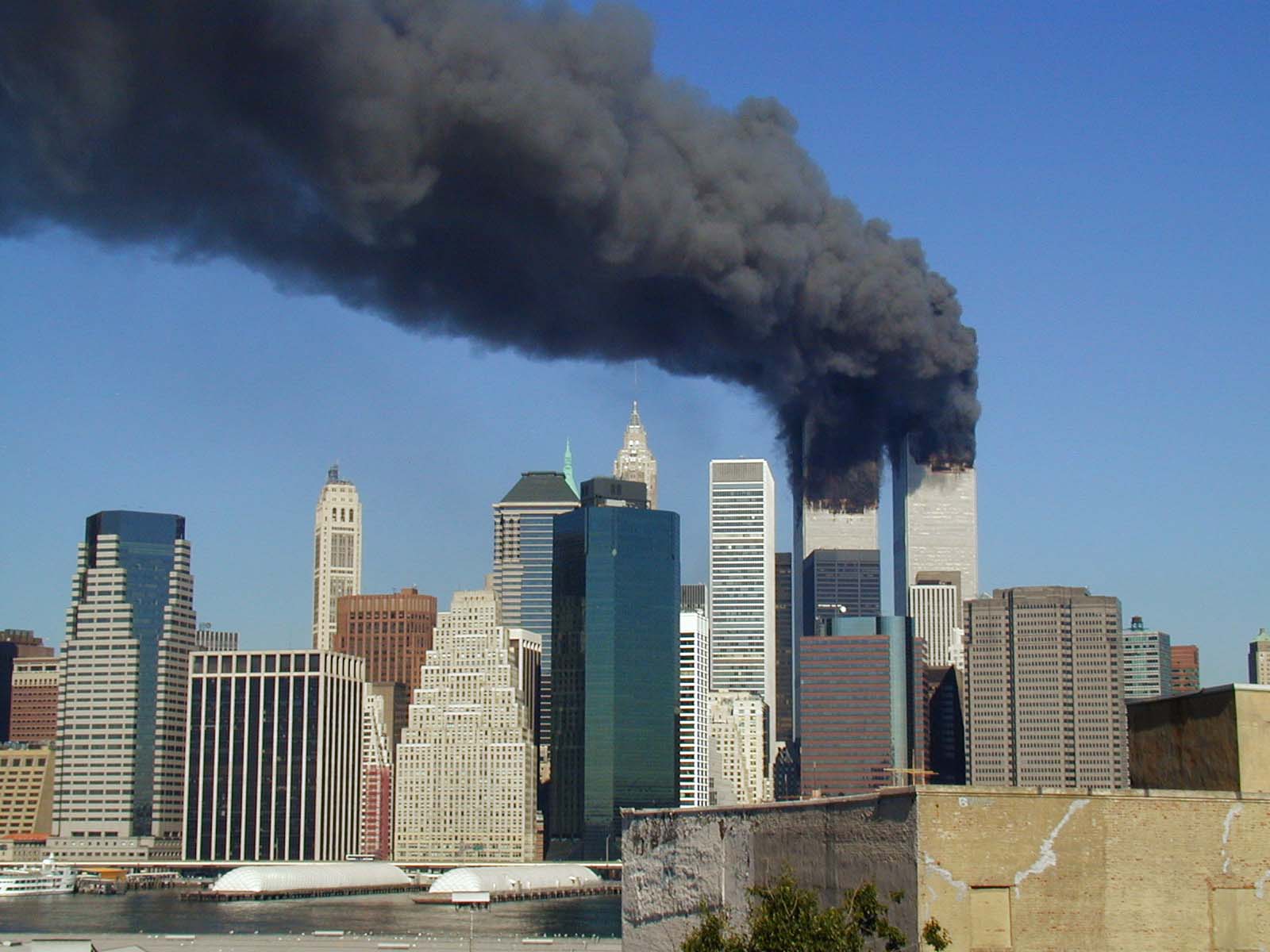 The World Trade Center after the planes struck on September 11, 2001
The Patriot Act
Only weeks after the attacks, the United States passed a sweeping anti-terrorism package known as the Patriot Act.
The main bill, H.R. 3162, passed the House of Representatives on October 24 with 356 votes in favor and 66 against. It cleared the Senate the following day by a margin of 98 to 1 and was signed into law by President George W. Bush on October 26, 2001.
The legislation moved through Congress under intense urgency in the aftermath of the attacks. Some lawmakers, including John Conyers, later admitted they had not had enough time to fully read the bill before voting in favor of it.
The official justification was straightforward: prevent another attack like 9/11 from happening again. In practice, however, the law significantly expanded federal authority over ordinary citizens. The government gained broader powers to:
- access banking records
- conduct wiretaps
- carry out secret searches
- monitor digital activity
- track personal relationships
- integrate intelligence databases
- expand preventive investigations
All of it was framed as necessary for national security. The underlying message was that defeating terrorism required citizens to surrender part of their privacy and freedom to the state.
Anyone who questioned the new laws or criticized the evolving counterterrorism framework was often portrayed as suspicious — someone who must have “something to hide.”
“If you have nothing to hide, you have nothing to fear” became one of the defining ideas behind public support for the Patriot Act.
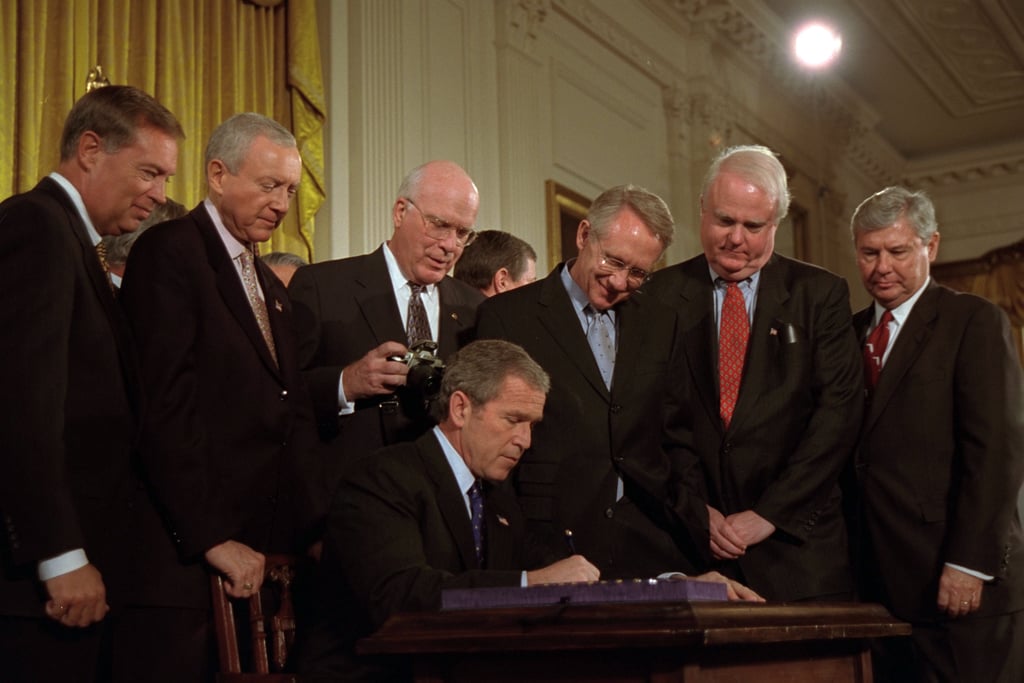 The expansion of federal powers after the 2001 attacks
The State of Exception After 9/11
Major terrorist attacks are almost always followed by political shifts, with their intensity depending on the scale of the event.
According to the theory of the “state of exception,” associated with philosopher Giorgio Agamben, emergencies and social threats are frequently used to justify restrictions on civil liberties and the expansion of state authority.
That dynamic became highly visible after 9/11. The Patriot Act allowed the U.S. government to introduce levels of surveillance and control that, under normal circumstances, would likely have faced far stronger public resistance and a much higher political cost.
The political consequences of the attacks were enormous. Beyond the Patriot Act itself, 9/11 also paved the way for the War in Afghanistan and the invasion of Iraq.
It is worth noting that in 2000 Saddam Hussein had shifted Iraq’s oil transactions under the UN-administered Oil-for-Food Programme from the U.S. dollar to the euro. Some critics argued this posed a threat to the petrodollar system, since a successful break from dollar-based oil trading could encourage other countries to follow suit. After Iraq’s defeat, however, Iraqi oil sales returned exclusively to the dollar.
The “War on Terror” had begun — a conflict with no clear endpoint and no clearly defined conditions for victory. And throughout history, temporary emergency powers have often evolved into permanent state authority. Once governments acquire new mechanisms of control, they rarely relinquish them voluntarily.
In practice, this enabled:
- prolonged preventive detention
- mass surveillance programs
- abusive interrogations
- broad preliminary searches and investigations
- expansion of military and police structures
- behavioral risk analysis systems
Air travel also changed dramatically:
- stricter limitations and restrictions
- full-body scanners
- far more invasive inspections
- aggressive collection of personal data
- expanded luggage and body searches
More than two decades later, what began as a temporary emergency framework has become deeply embedded in the institutions of many governments around the world.
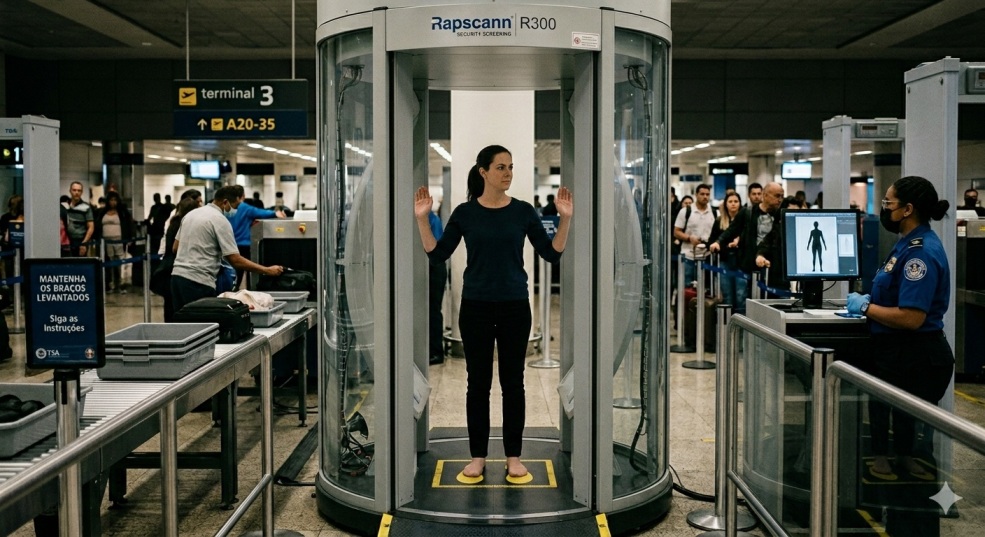 Security protocols introduced after 9/11 gradually became permanent
The Rise of Mass Digital Surveillance
As technology advanced in the early 21st century and the internet became woven into everyday life, billions of people began feeding enormous databases with personal information — often without realizing the scale of what was being collected.
Under the banner of the War on Terror, governments recognized that this data could be useful for far more than counterterrorism. Intelligence agencies increasingly moved toward the large-scale collection and storage of information from the general population, not just from suspects or convicted criminals.
In 2013, Edward Snowden exposed a global surveillance apparatus operated by the NSA that gathered massive amounts of data from millions of people.
The most well-known program was PRISM, through which — according to the leaked documents — the NSA obtained data from major technology companies, including:
- emails
- messages
- videos
- photographs
- cloud storage files
According to Snowden, the NSA monitored:
- foreign leaders
- diplomats
- corporations
- international organizations
- ordinary citizens across multiple countries
Another major system was XKeyscore, which journalistic investigations described as capable of processing vast quantities of online data, including:
- browsing histories
- chats
- search activity
- emails
- general online behavior
Following the revelations, the United States passed the USA Freedom Act in 2015 in an attempt to limit some forms of mass surveillance conducted by the NSA. Even so, debate continues over how effective those limitations truly were.
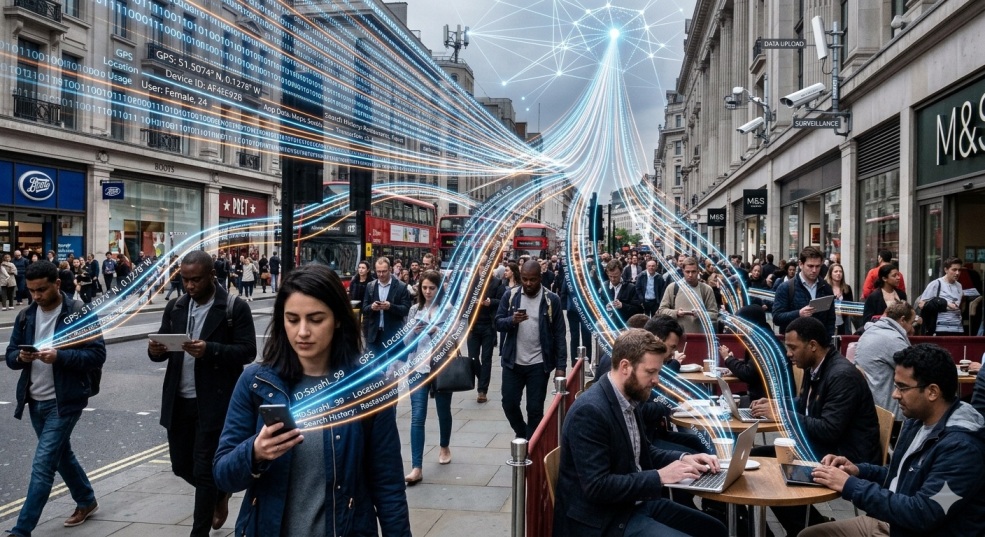 Mass data collection and digital monitoring systems
Guantánamo and the Erosion of Legal Safeguards
One of the clearest symbols of the post-9/11 era is the detention facility at Guantánamo Bay, widely criticized for holding terrorism suspects for years without conventional trials.
The U.S. government argued that terrorism cases required exceptional legal treatment and could not be handled under ordinary judicial standards. Critics, however, saw this as the creation of a legal gray zone in which the state no longer needed to fully prove guilt before stripping individuals of basic protections.
In practice, merely fitting a perceived “terrorist profile” could become enough to justify detention and the suspension of procedural guarantees traditionally associated with due process.
The Patriot Act’s Global Influence
After 9/11 and the passage of the Patriot Act, many other countries followed a similar path, expanding surveillance systems and investigative powers in the name of national security.
Countries such as France, the United Kingdom, China, and Russia adopted laws that greatly increased the collection of population data, expanded the use of technologies like facial recognition, and broadened coercive and investigative powers against individuals considered potential threats.
What began as a supposedly temporary emergency response evolved into a more permanent security framework — not only in the United States, but across much of the world.
Minority Report and the Logic of Pre-Crime
Perhaps the most unsettling aspect of this new security culture is how the idea of prevention gradually expanded beyond terrorism itself and began to reshape the relationship between governments and entire populations.
In many situations, traditional investigative procedures became less central. Formal inquiries, judicial approvals, and long-established legal safeguards were increasingly bypassed whenever authorities considered someone a potential security risk.
It was no longer always necessary to prove that a person had committed a crime. In some cases, being classified as potentially dangerous was enough to trigger surveillance, restrictions, or direct intervention.
Unlike the science-fiction world of Minority Report, modern preventive systems do not rely on psychics capable of predicting the future. Instead, they rely on advanced technology and massive data collection.
Before 9/11, criminal justice systems were generally far more reactive:
- a crime occurred
- an investigation followed
- if guilt was proven, punishment came afterward
Today, an additional preventive layer increasingly exists — one designed to identify and neutralize possible threats before any action is taken, based not on what someone has done, but on what they might do.
To accomplish this, governments and private companies now analyze enormous volumes of personal data, including:
- travel patterns
- spending habits
- phone activity
- social networks and contacts
- geolocation data
- online behavior
Since predictive analysis became central to identifying potential threats, authorities required access to increasingly broad pools of personal information.
The result is a world that, while less technologically precise than Minority Report, has moved noticeably closer to a pre-crime logic — one that remains deeply controversial, especially when errors, abuse, or false targeting occur.
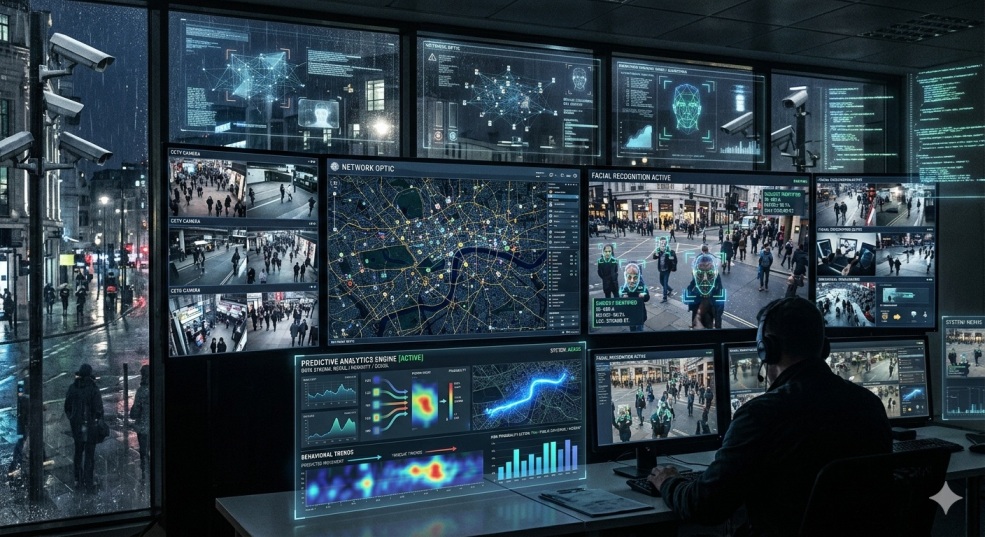 Predictive surveillance and behavioral analysis systems
Final Considerations
More than twenty years later, the world still operates within a framework heavily shaped by the decisions made after 9/11.
The attacks fundamentally changed modern governance, placing continuous surveillance and large-scale data processing at the center of national security strategies.
For younger generations, it is difficult to imagine that the world did not always function this way. Today, it feels normal to encounter:
- full-body security scans
- large-scale facial recognition
- extensive personal data requirements for simple processes
- constantly trackable devices
- phone surveillance
- financial monitoring
- cameras virtually everywhere
- expanding layers of regulation
Fear of future attacks led many Americans to accept a reduction in privacy and personal freedom in exchange for greater security.
But the state of exception created in the aftermath of 9/11 produced consequences that continue to shape both the United States and the broader world.
Governments acquired new powers. Corporations built entire industries around surveillance and data processing. Ordinary individuals lost part of their ability to remain invisible to the state — and part of their autonomy over their own lives.
While practical measures to combat terrorism were undoubtedly necessary, few citizens anticipated the scale of exposure and monitoring that would follow. Above all, most did not expect the state to expand its authority over ordinary people so dramatically and so permanently.
Yet the theory of the state of exception proved highly relevant once again: when institutions gain new powers under extraordinary circumstances, those powers rarely disappear once the crisis has passed.
 The political and social consequences of 9/11 remain visible today
References
-
USA PATRIOT Act (2001)
-
Giorgio Agamben.
State of Exception (2003) -
Glenn Greenwald.
No Place to Hide (2014) -
Documents leaked by Edward Snowden (NSA/PRISM)
Recommendations
- Film: Minority Report (2002)